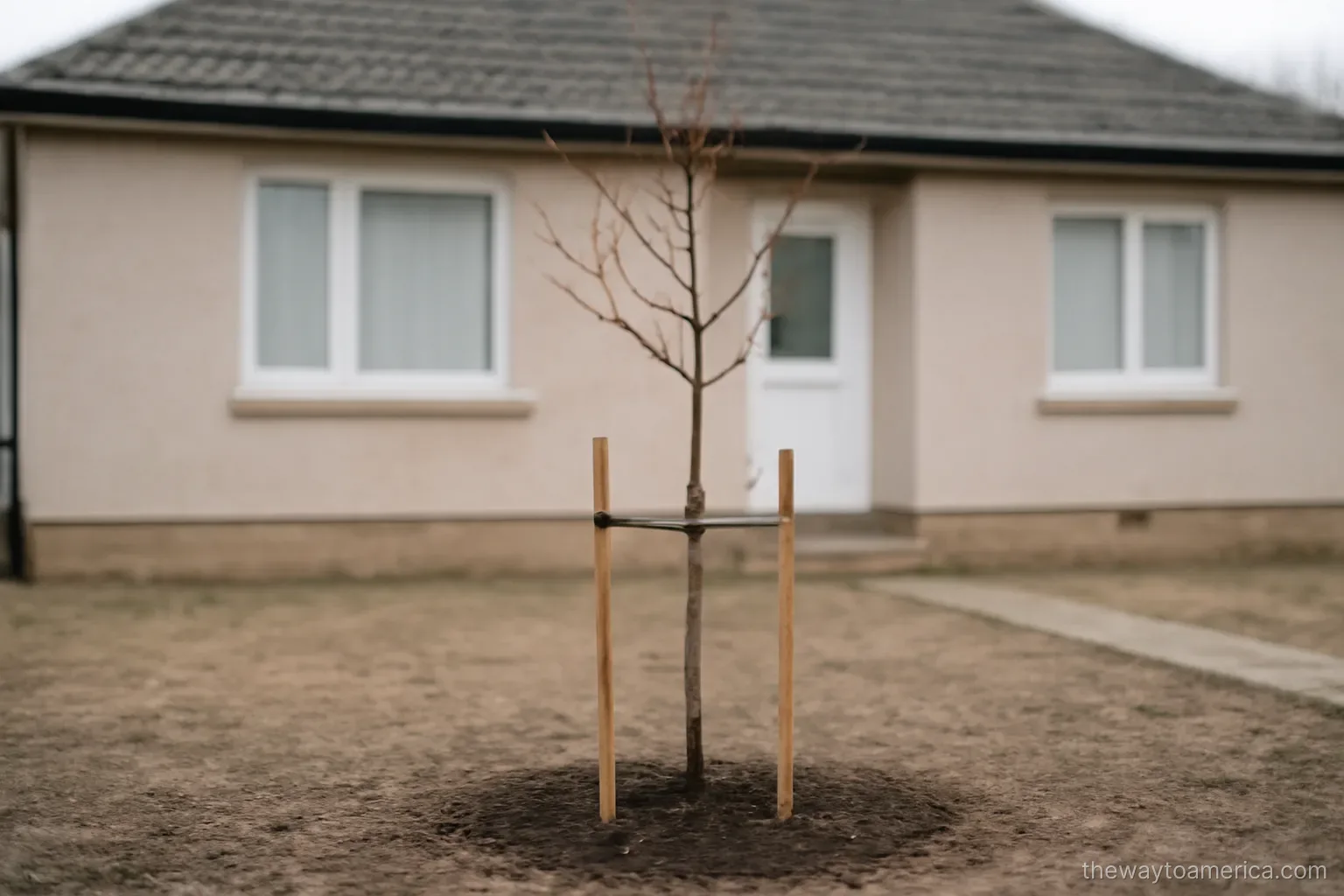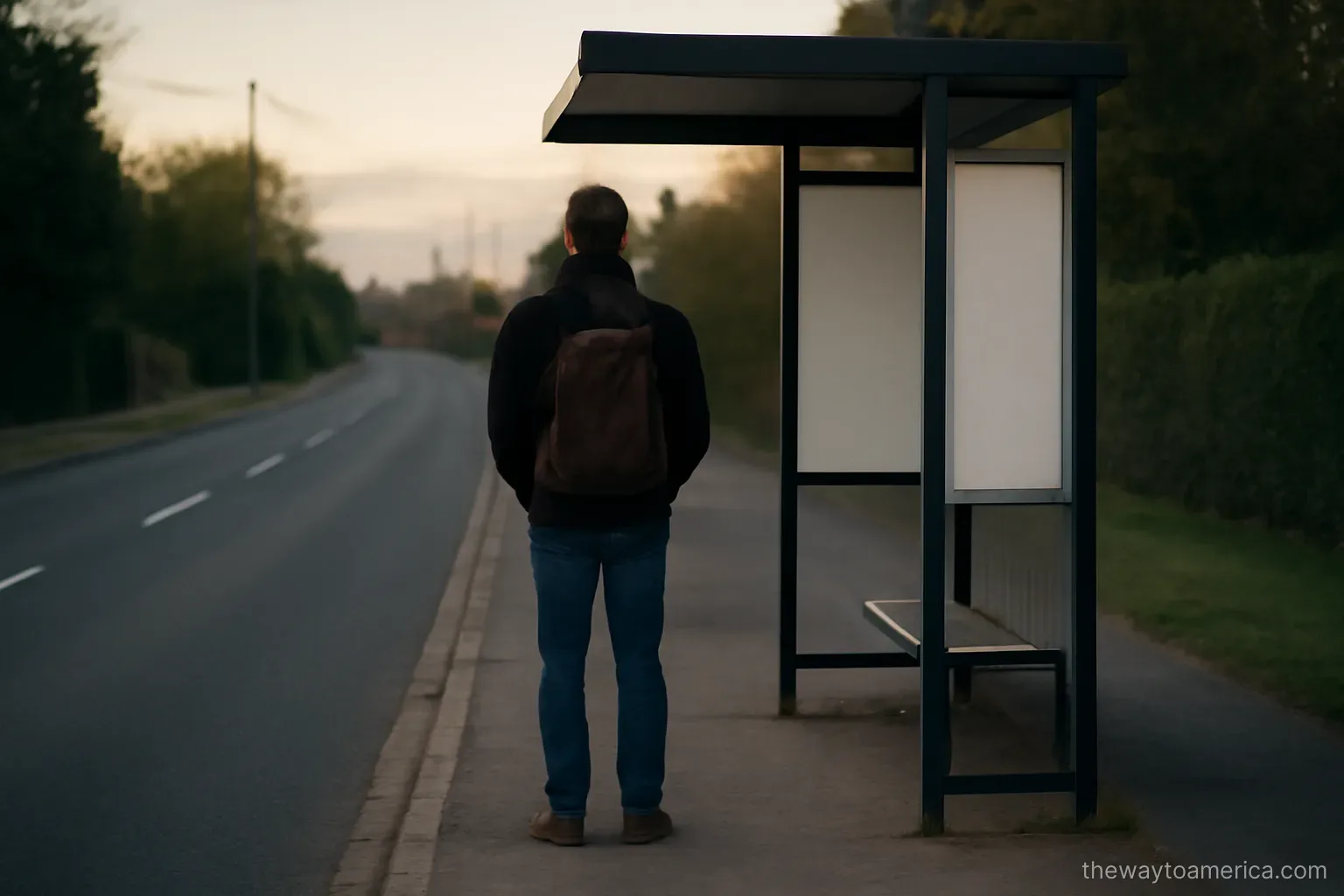
The first year has structure. Everything is new, everyone helps, and simply getting through the week counts as an achievement. The second year has neither the novelty nor the scaffolding — and that is when many families find things hardest.
Nobody warns about this, so it arrives as a personal failure rather than as a predictable stage.
Where this sits on the timeline
Roughly when the immediate administrative work is finished and before anything has properly taken root. The household is no longer arriving and is not yet settled.
What changes between year one and year two
- The help recedes. Relatives and friends who rallied at the start return to their own lives, which is natural and still feels like abandonment.
- Novelty stops carrying people. What was interesting becomes routine, and routine without belonging is lonely.
- Expectations rise. In year one nobody expects fluency or a career. In year two, gently, people begin to.
- The comparison starts. Progress is now measured against other people who arrived around the same time.
- The losses become concrete. A parent's birthday missed for the second time is different from the first.
None of these are setbacks. All of them feel like setbacks.
Why it lands hardest on the least visible people
Working adults have colleagues and structure. Children have school and learn the language fastest. The people at highest risk of a difficult second year are the ones with the least imposed structure — elderly parents in particular.
A parent who was embedded in a neighbourhood, a market, a temple or a church, with people who had known them for decades, may now have a house, a television, and one adult child who is at work all day.
That situation is not solved by good intentions. It is solved by somebody deliberately building a week that contains other people.
The sponsor's second year
The other person under pressure is the one who organised everything.
They have spent years on this, often paying for it, and now carry ongoing responsibility while their own household absorbs the change. Fatigue and resentment at this point are ordinary rather than shameful, and they are worse when unspoken.
Families that talk plainly about what is sustainable do better than families that keep going until something breaks.
What actually helps
- Structure that does not depend on anyone's goodwill. A class, a regular commitment, a place to be at the same time each week.
- Independent movement, again — the ability to leave the house without arranging it with someone.
- A role. Being useful to somebody is the fastest route out of feeling like a burden.
- Contact with the people left behind, at a fixed rhythm rather than when someone remembers.
- A community that speaks the language, which is not a failure to integrate but a place to be a full person while integration is in progress.
What is hard to undo at this stage
A withdrawal that settles into a pattern. Someone who stops trying to go out, stops practising the language, or stops expecting anything of the new country can remain in that state for years.
The window in which that is easy to interrupt is short. Noticing it at month fourteen is a different problem from noticing it at year three.
What to look for, and what to ask
Ask people separately rather than together, and ask specific questions rather than whether everything is fine.
Who have you spoken to this week besides us? When did you last leave the house alone? What is something you are looking forward to? The answers to those three tell you more than any general enquiry.
If someone's answers are consistently empty, that is worth taking seriously and worth seeking proper help for, in whatever form is available locally.
What to start now for a stage two steps away
The third year is usually when things settle — language is workable, a routine exists, the local record has accumulated, and the household stops feeling temporary.
What determines whether that arrives on time is mostly what was begun in year one and protected through year two: the language, the independence, the accruing records, and the relationships.
None of it is dramatic. It is the same unglamorous advice as everywhere else on this site — start early, keep going, and let elapsed time do the part that only elapsed time can do.
One thing worth saying to each other
That this stage is expected. That it is not evidence the decision was wrong, and not evidence that anybody is failing.
Families who name the second year in advance handle it as a phase. Families who do not tend to interpret it as a verdict — on the move, on each other, or on themselves.
Why is the second year often harder?
The help recedes, novelty stops carrying people, expectations quietly rise, comparisons begin, and the losses become concrete — while nothing has properly taken root yet.
Who is most at risk?
The people with the least imposed structure, usually elderly parents — no colleagues, no school, and a week that contains nobody unless someone deliberately builds one.
What helps most?
Structure that does not depend on goodwill, independent movement, having a role, a fixed rhythm of contact with people left behind, and a community that speaks the language.
What should families ask each other?
Specific questions, asked separately: who have you spoken to this week, when did you last go out alone, what are you looking forward to.